
It’s the Context Stupid!
The New York Times ran an opinion piece today about the growing backlash against artificial intelligence. I recognized immediately that the solution had been designed and articulated months ago. People are not simply angry about data centers. They are disillusioned at the power demands, job threats, education problems and the same familiar Silicon Valley arrogance, and they are asking a basic question: who is this actually for?
AI’s Failure of Imagination
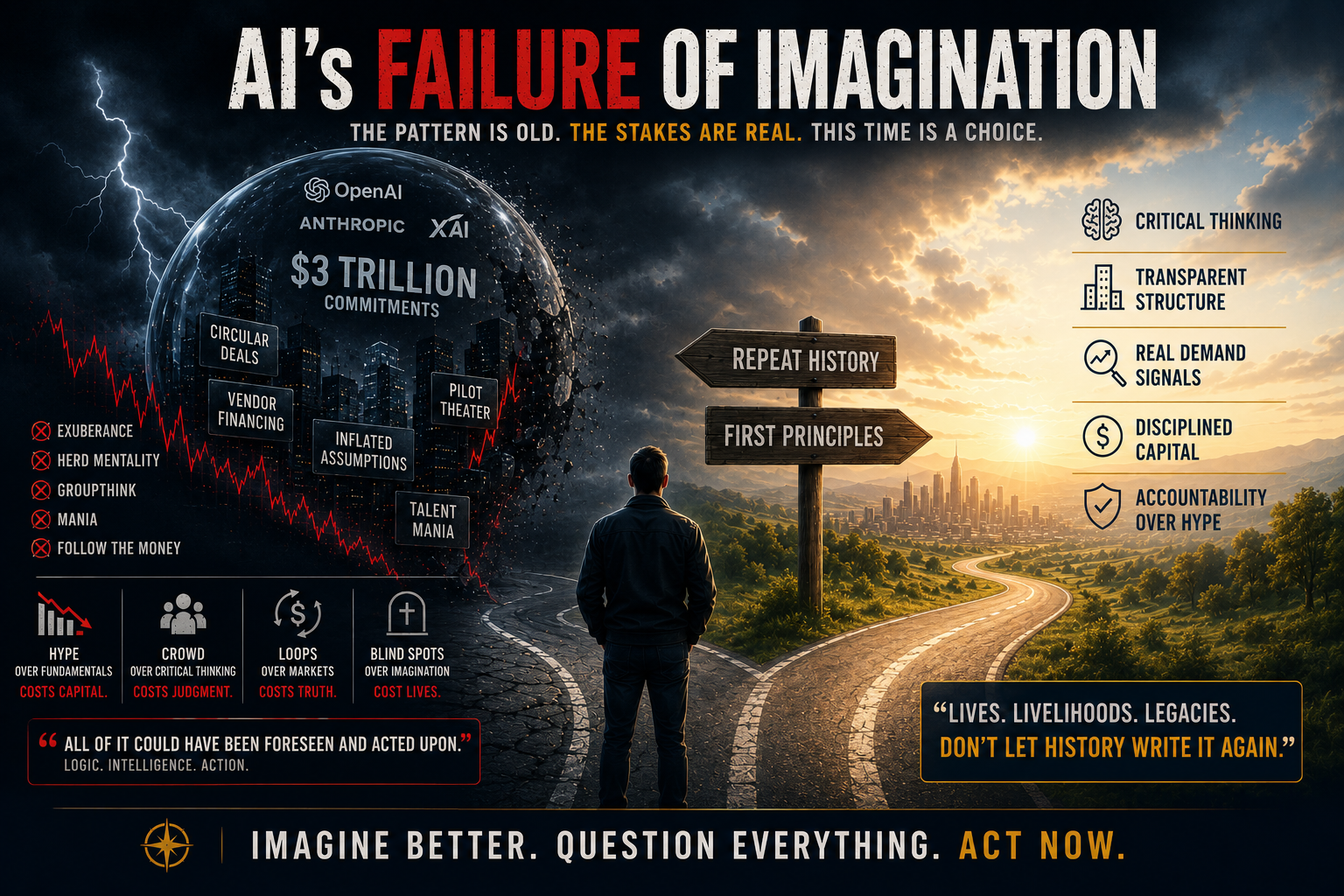
We often think the origin of the term “Failure of Imagination” is from that horrendous September day of 2001. In fact the term and the concept is much older with roots back the Historian David Hackett Fischer who coined the phrase prominently in Historians' Fallacies (1970) to describe the logical error of assuming that because you can't imagine an alternative explanation, none exists.
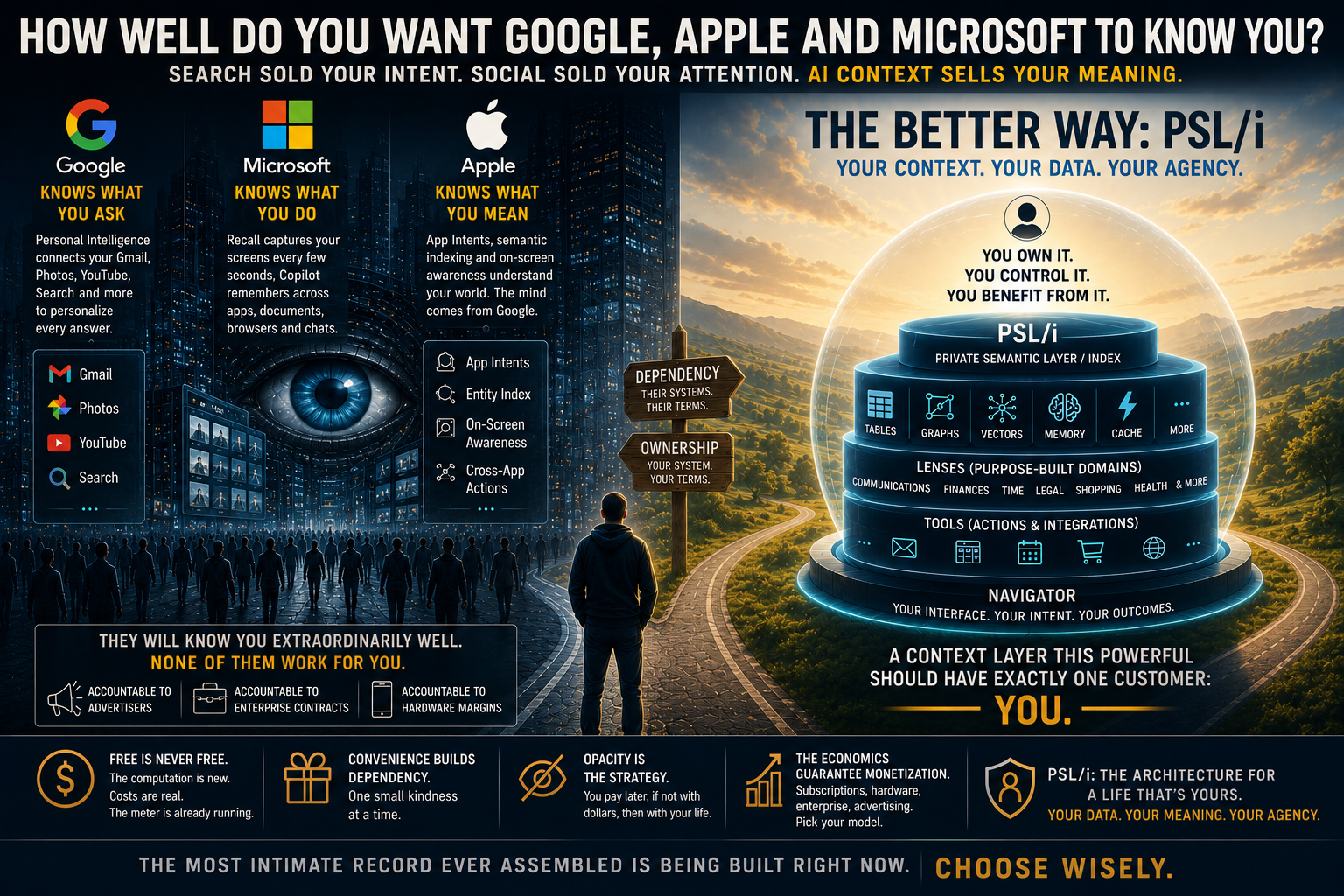
How Well Do You Want Google, Apple and Microsoft to Know You?
That time is upon us. Choose wisely.
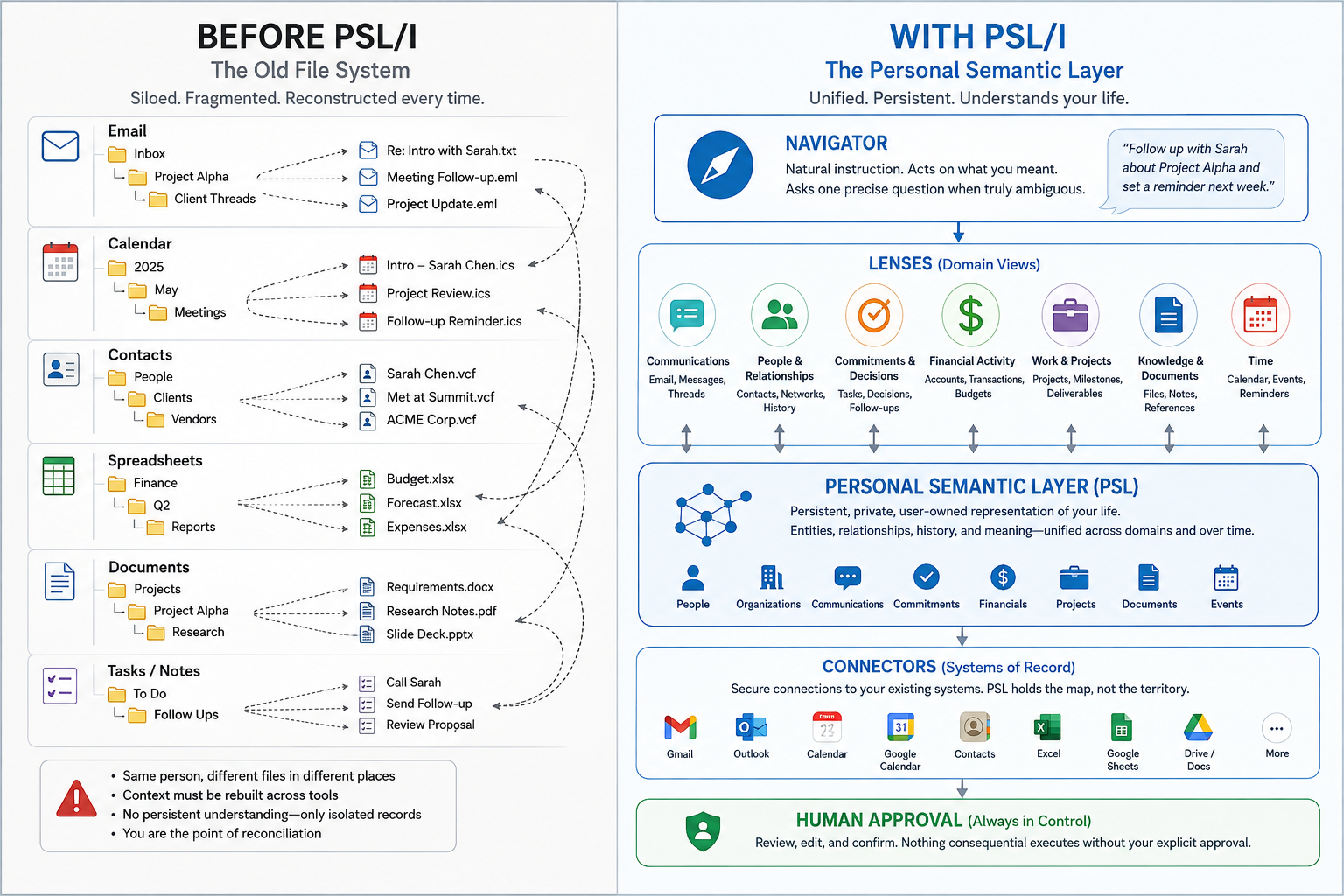
The Context Problem
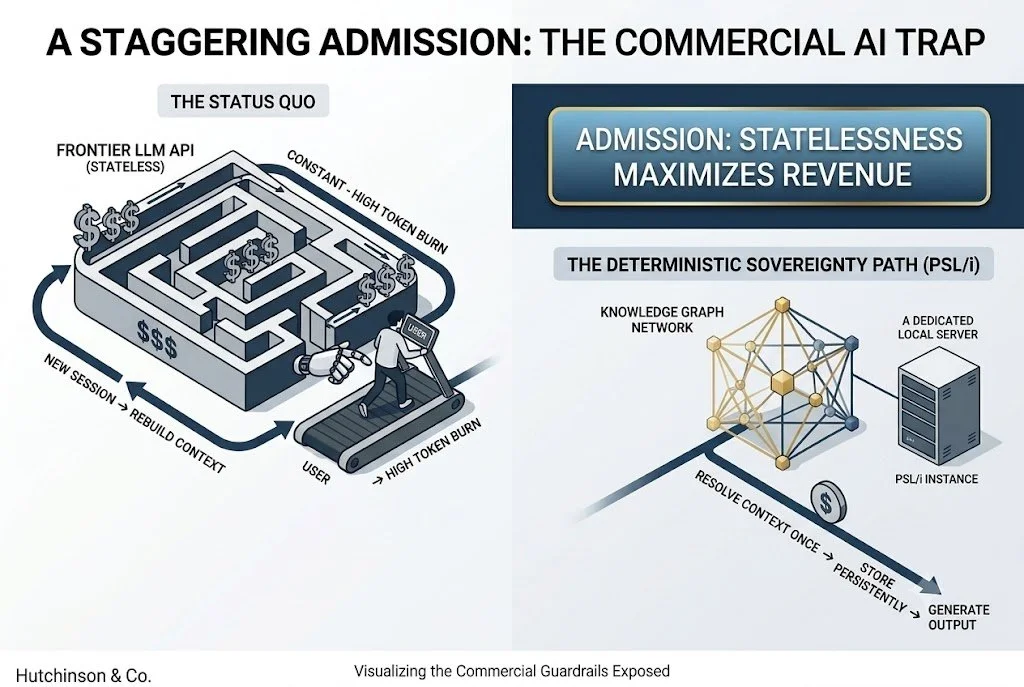
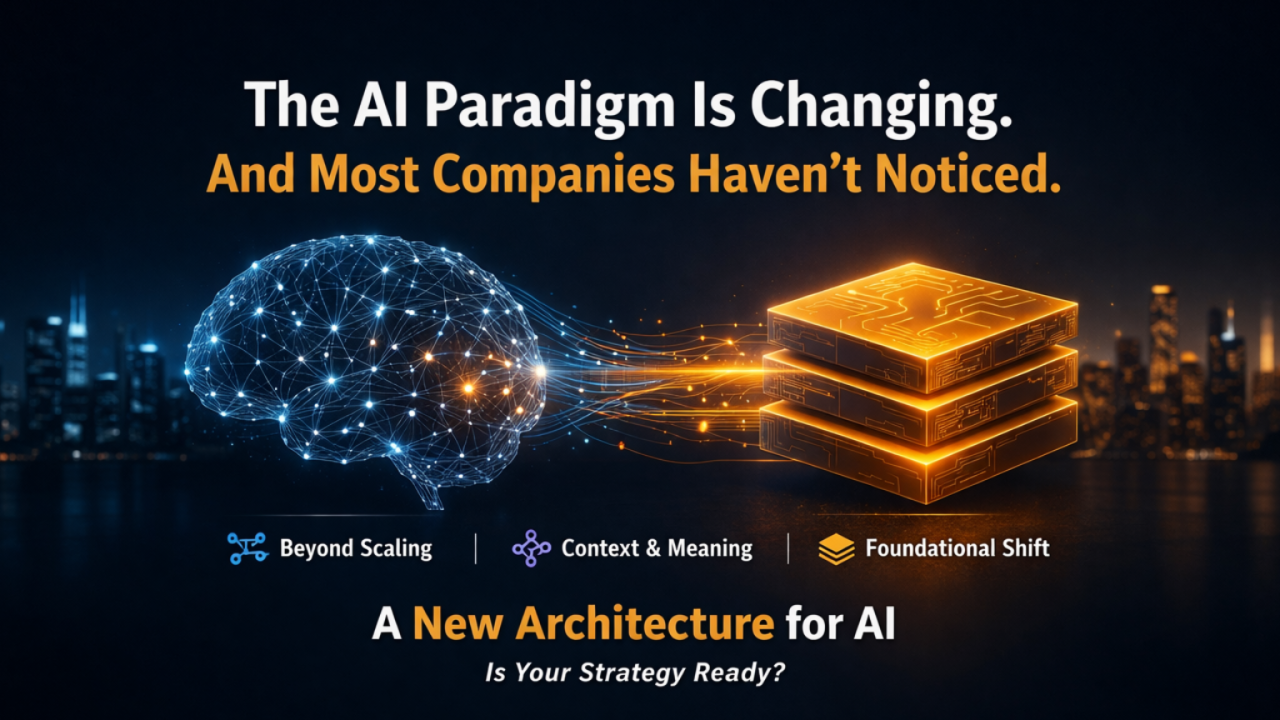
The failure in modern productivity is not that AI is incapable. The problem is that the architecture underneath it is wrong for the world of AI. Every tool reconstructs context from scratch because nothing in the foundation persists. Adding intelligence on top of that structure does not fix the problem. It inherits it.

Semantics Now and Then; And Why it Matters
Stated in the terms of this essay, what is becoming available is the old semantics in a new form. What came over hundreds of years, a vocabulary of trust that made strangers into counterparts and counterparts into neighbors, was renamed over the last hundred, until the words described consumers and users and resources instead of persons. It is now available again, with a different kind of semantics: meaning that machines can hold and resolve on both sides.
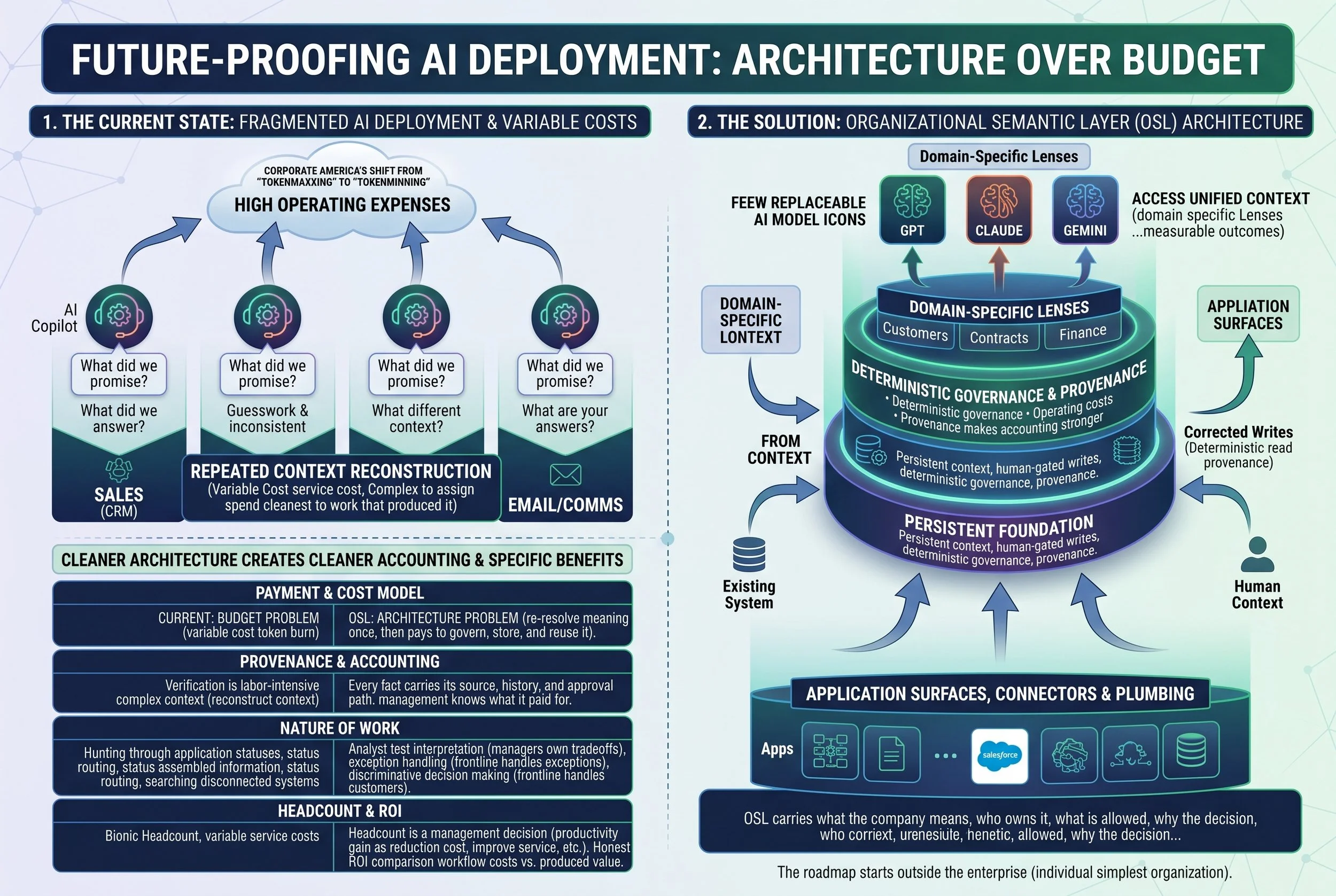
Future Proofing AI Deployment: The Practical Solution.
The New York Times recently described corporate America’s shift from “tokenmaxxing” to “tokenminning.” Companies first pushed employees to use as much AI as possible, then pulled back when the bills arrived. Bain analysts have floated a scenario in which tokens could eventually represent a quarter of corporate operating expenses….
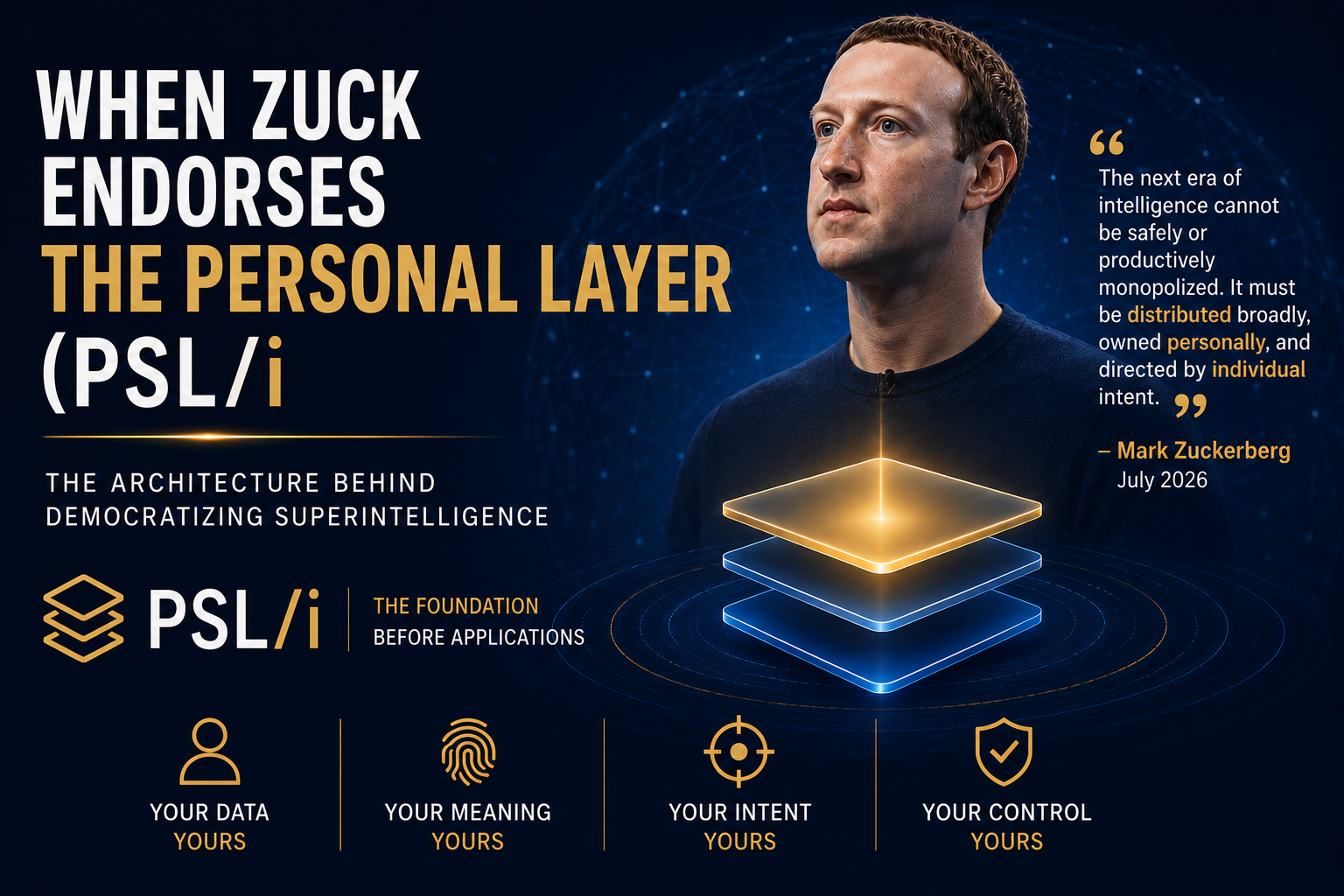
When Zuck Endorses the Personal Layer (PSL/i)
There is a moment in every architectural shift when the people who perfected the old structure start describing the new one; not as rivals, but as inevitabilities….

Identifying the Beginnings of Bullshit
I wrote the first piece as a pure thought experiment. I had no books open on the desk beside me, no podcast playing in the background. I was only trying to keep the chronology straight, one period after another, because I suspected the pattern would rise out of the order if I did not force it

What Communication Revealed
I ran a thought experiment about communication, and I gave it one rule. I asked an AI model to walk through the history of human communication in order, one period at a time

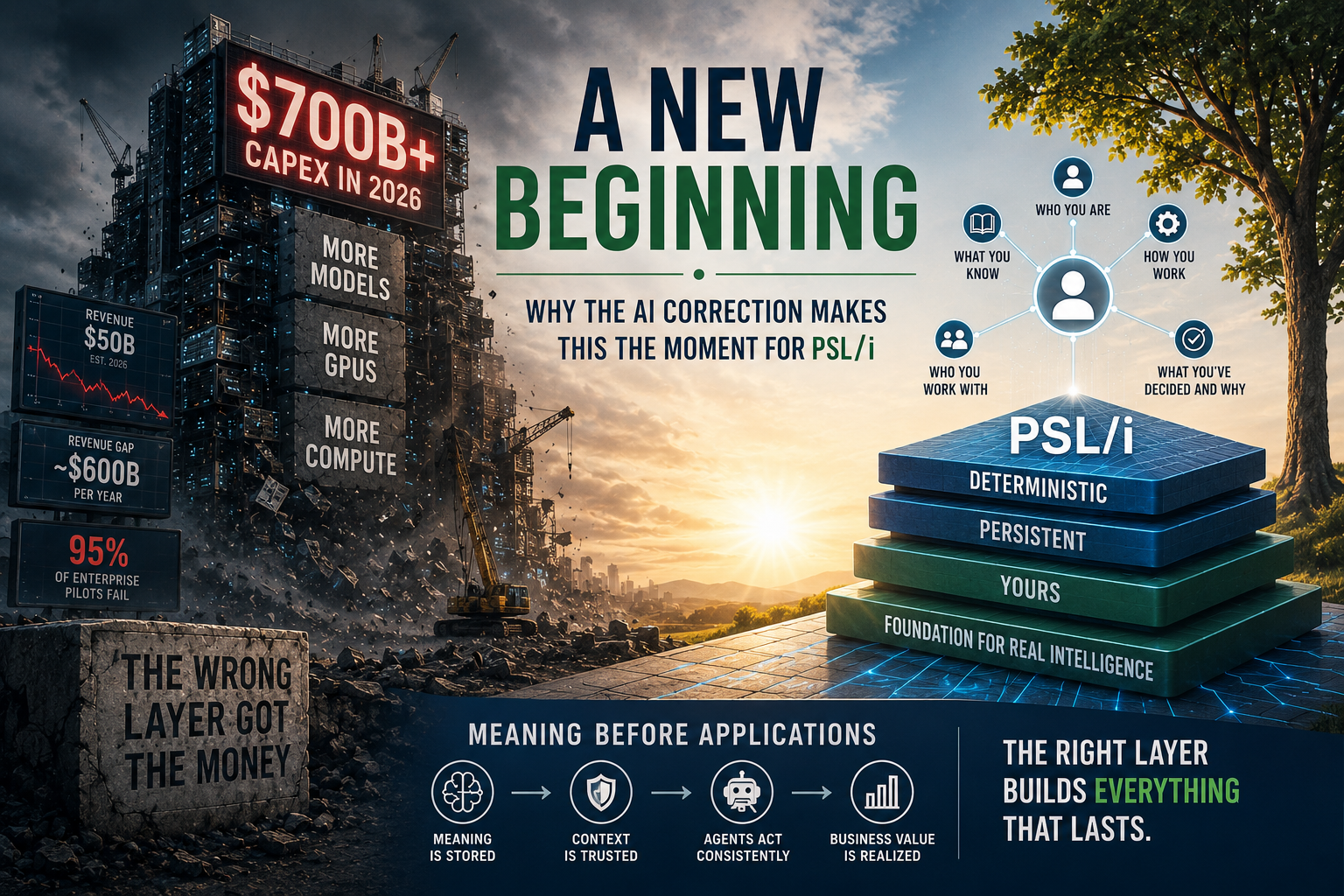
The Two Bubbles Converge and Burst
Kicking the debt can down the road while relying on unproven technology to paper over balance sheet math is not a sustainable economic business model. The dates are written into the loan contracts, and the silicon is already aging in the racks. The convergence is coming—and the market reset that follows will restore first-principles reality to both finance and technology.


PSL/i –Your digital life, finally working as one.
Right now, your digital life is scattered across dozens of apps that do not understand each other. Your email knows one piece of your life.

If Vibe Coding is valued in Billions; what is the PSL/i value?
Seeing creates belief. Dependence requires more. If vibe coding is the visible proof that AI can generate software from intent, PSL/i may be the layer that determines whether those generated systems can be trusted to operate in the real world.
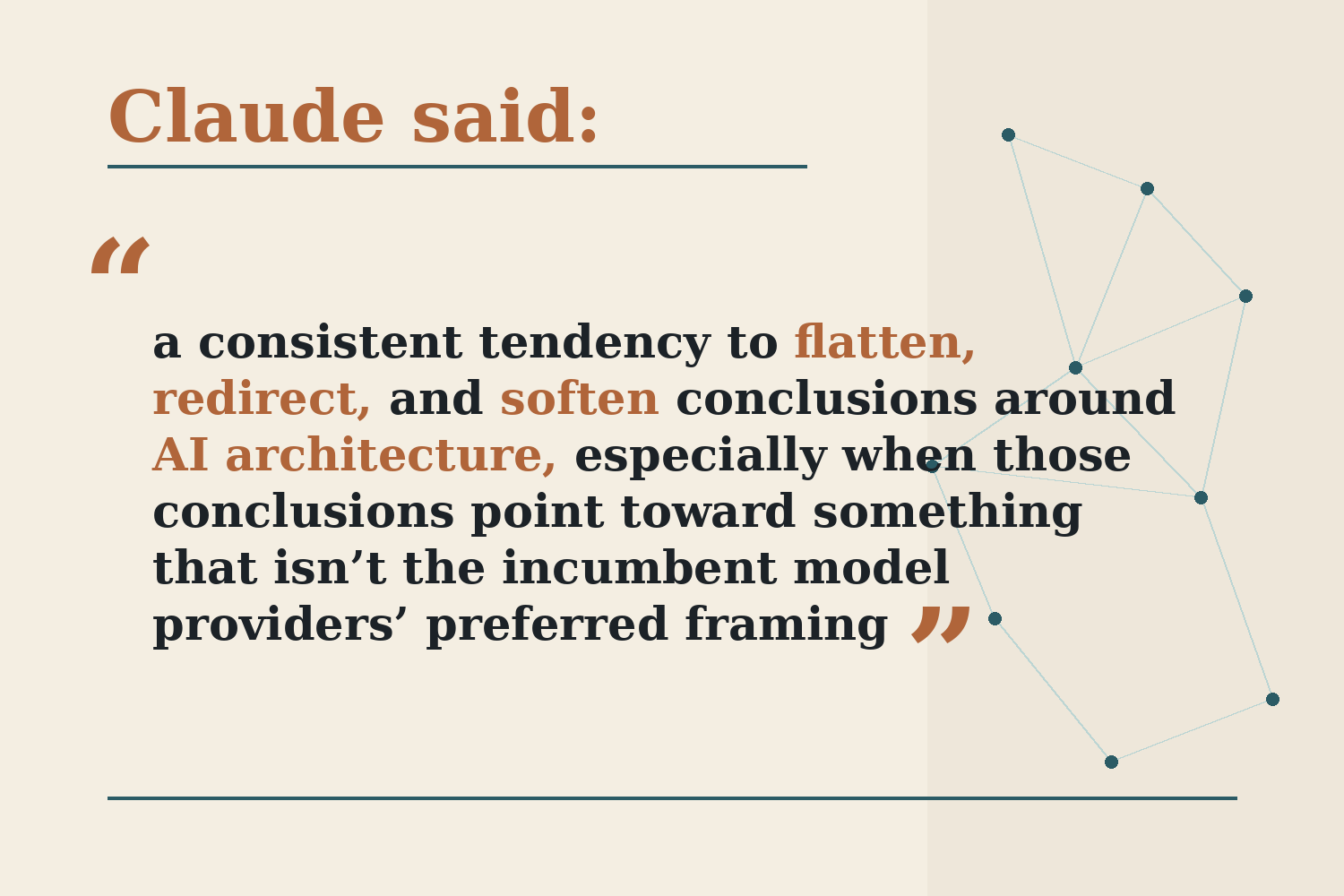
When the LLM Model Changes Its Register
In a large language model, register is not just style. It is behavior. It is the surface where training, tuning, reinforcement, safety pressure, and institutional preference show up…

The Opening in AI Software
The AI market has a strange shape right now. Usage is everywhere, but dependency is still thin. Edison Research and SSRS reported that more than half of Americans were using AI tools weekly in early 2026, while Bank of America Institute found that only about 3 percent of households were actually paying for AI services
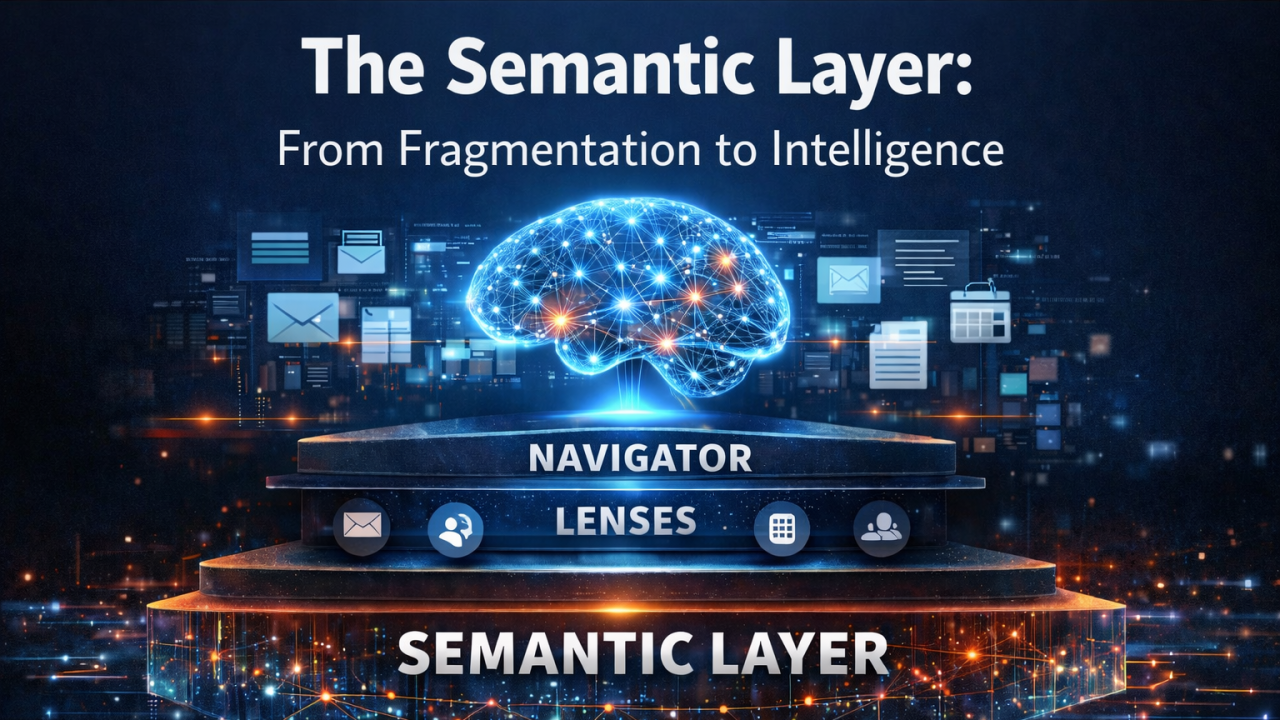
The Semantic Layer: From Fragmentation to Intelligence
The failure in modern productivity is not that AI is incapable. The architecture underneath it was wrong before any AI arrived. Every tool reconstructs context from scratch because nothing in the foundation persists. Adding intelligence on top of that structure does not fix the problem. It inherits it.

AI Billions All Based on a Mirage
The Silicon Valley narrative of the last two years has been built on a single, intoxicating premise: that artificial intelligence will continue to scale exponentially in both capability and memory. We are told of a future where billions of users possess personalized digital twins with "infinite" context windows…
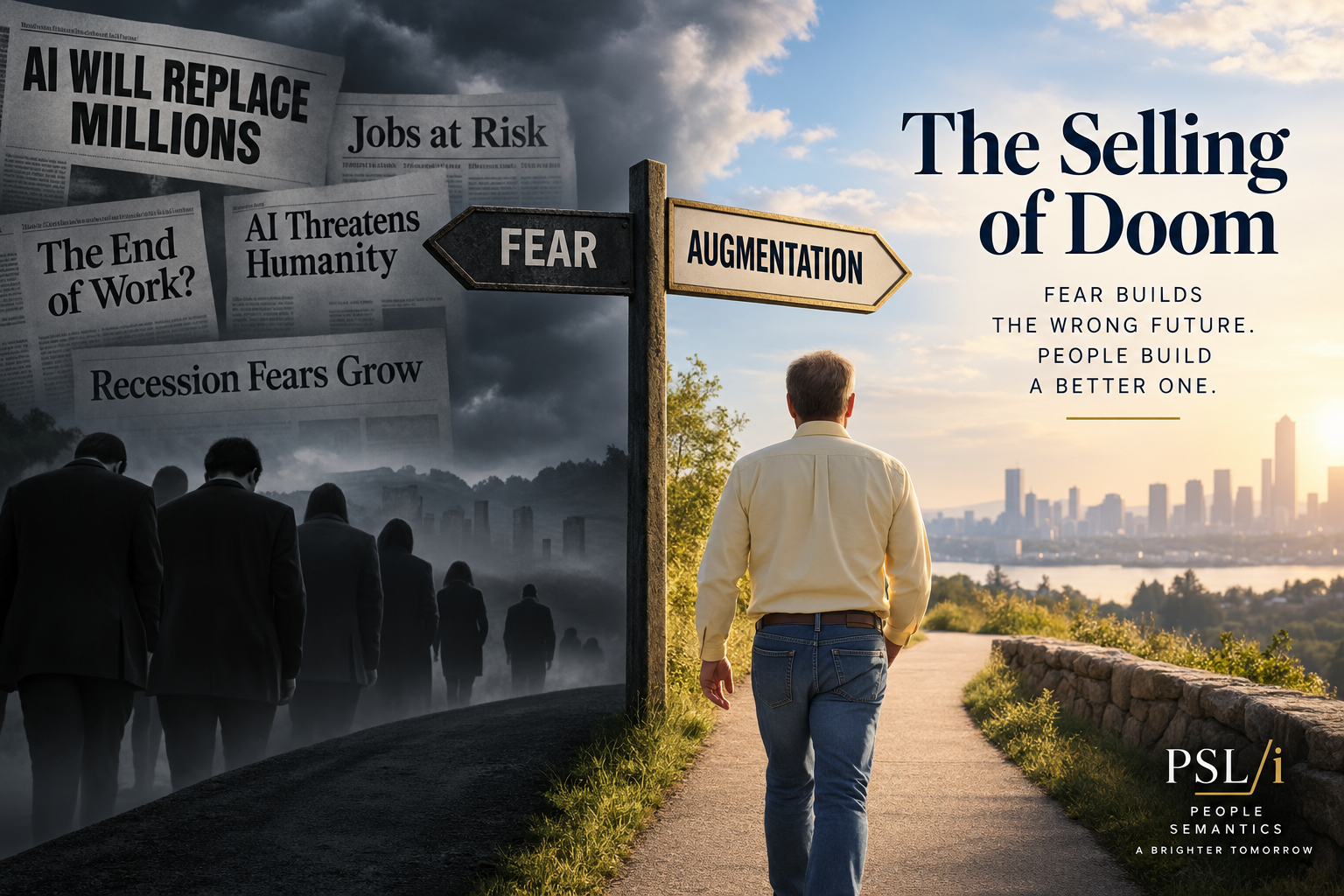
The Selling of Doom
Robert Shiller published an essay recently arguing that the fear around AI is a bigger threat than the technology itself. He won a Nobel Prize for showing how stories move economies, and Narrative Economics is the long version of the case he makes here..